
 EN
Slot RTP, Volatility and Hit Frequency: What Each Number Really Tells You
Updated

Three things to understand
- RTP is a long-run theoretical average across all stakes, not a personal refund rate.
- Volatility describes how widely results spread; hit frequency describes how often something pays.
- For independent spins in an unchanged game mode, past results do not make a particular future result due. Feature states and progressive mechanics must be read in the game’s own rules.
RTP, volatility and hit frequency are three separate numbers, and mixing them up leads to the wrong conclusions about a session. This guide defines each one, works through an example with a 96% RTP, and explains why none of them predicts the next spin.
What is RTP?
Return to Player is the average amount a particular game configuration is designed to return across a very large number of plays. A 96% RTP means 96 units are returned for every 100 wagered in that long run, and 4 units are retained.
It is a design statistic. It is not a daily target, not a promise and not a rate at which a player recovers a deposit.
Why doesn't 96% mean you get 96 back from a deposit?
Suppose you deposit 100 and play 1 unit per spin. Each time you win, you replay the proceeds, so your total wagering may reach 1,000 or more units. At 96%, the theoretical loss is 4% of everything wagered, which would be 40 units on 1,000 wagered, and it grows the longer you play.
Over a short session, results can differ widely from the average, so a balance may be lost much sooner or last longer than the theory suggests.
What does volatility describe?
Volatility describes how widely outcomes vary. A high-volatility game tends to have longer gaps between wins and larger wins when they arrive, while a low-volatility game pays smaller amounts more often.
It is not the same as RTP. Two games can share a 96% RTP and feel very different to play.
How is hit frequency different?
Hit frequency is how often a spin returns any payout. A game with a high hit frequency can still lose money overall if most of those payouts are smaller than the stake.
A frequent small win is not the same as a profitable session. Neither hit frequency nor RTP tells you whether you will finish ahead.
Do past spins change the next one?
For a random game, earlier wins and losses do not make a particular future outcome due. A losing streak does not create a debt the game owes the player.
Result histories and animations should not be treated as prediction tools.
How do you use these figures sensibly?
Read the RTP and volatility in the version you open, since a named title may be offered with different configurations. Do not copy a figure from a ranking or a different series, such as a 1000 or Super Scatter version.
Use the figures to understand the design, keep a fixed entertainment limit, and do not change it because a number looks attractive.
A short glossary
RTP: the long-run theoretical return. Volatility: how widely results vary. Hit frequency: how often any payout occurs. Maximum win: the cap on a single outcome. Feature purchase: an optional extra cost.
Each of these answers a different question. Keeping them apart is the simplest way to avoid being misled by headline numbers.
Reference tables
| Game format | RTP check | Volatility check |
|---|---|---|
| Classic slot | Read this game’s configuration | Read this game’s information |
| Video slot | Read this game’s configuration | Read this game’s information |
| Bonus or Megaways variant | Do not infer a universal percentage | Do not infer from the theme alone |
| A higher RTP can describe | It does not establish |
|---|---|
| A higher theoretical long-run return | More frequent wins in a short session |
| A different configured average | Lower volatility |
| A design statistic | A guaranteed refund or profit |
| A lower RTP can describe | It does not establish |
|---|---|
| A lower theoretical long-run return | A particular jackpot size |
| A different configured average | A particular bonus frequency |
| A design statistic | A short session’s result |
| Concept | What it describes | What it does not predict |
|---|---|---|
| RTP | Long-run theoretical return | An individual session’s return |
| Volatility | Variation in outcomes | A particular next result |
| Hit frequency | Frequency of qualifying payouts | Whether a session is profitable |
| Named variant in the guide | Version family | Where to check settings |
|---|---|---|
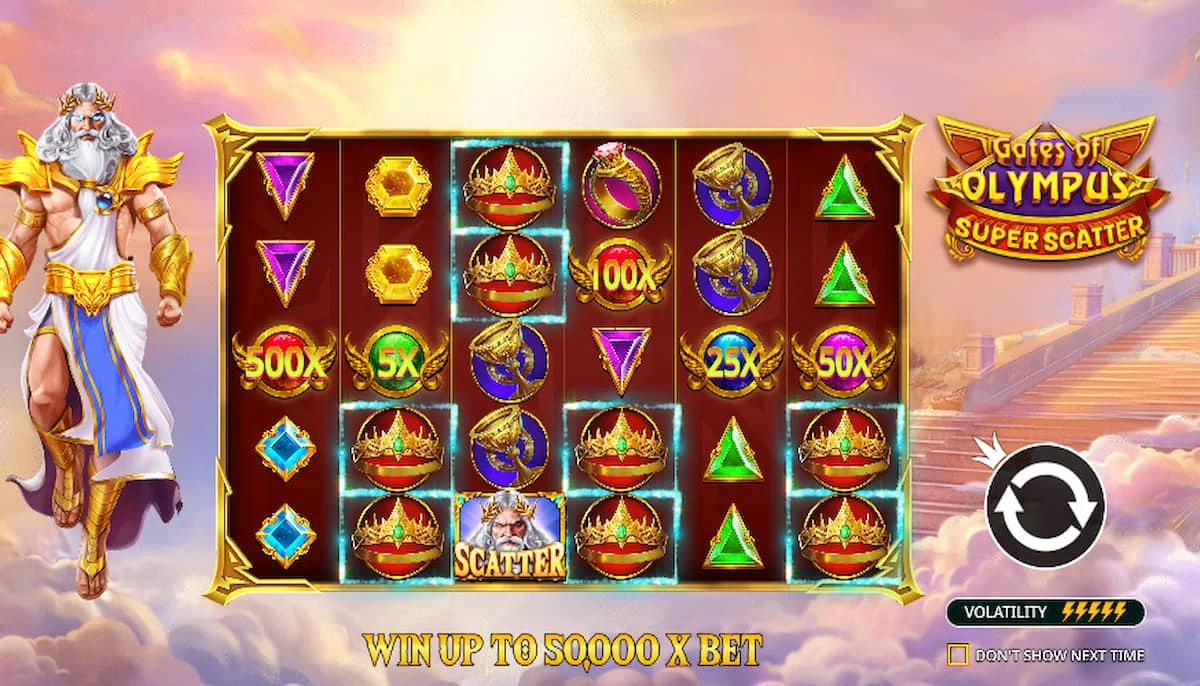
| Gates of Olympus Super Scatter | Super Scatter | That version’s game information |
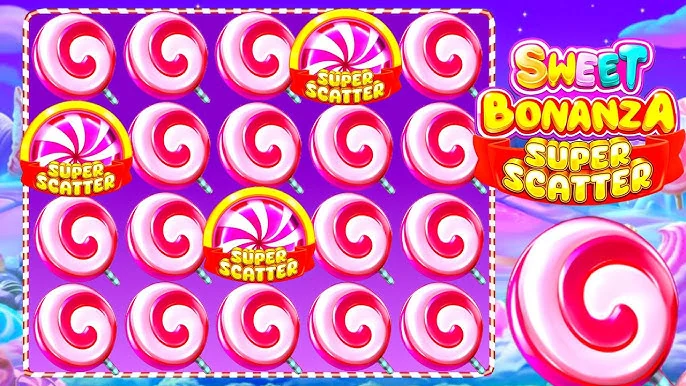
| Sweet Bonanza Super Scatter | Super Scatter | That version’s game information |
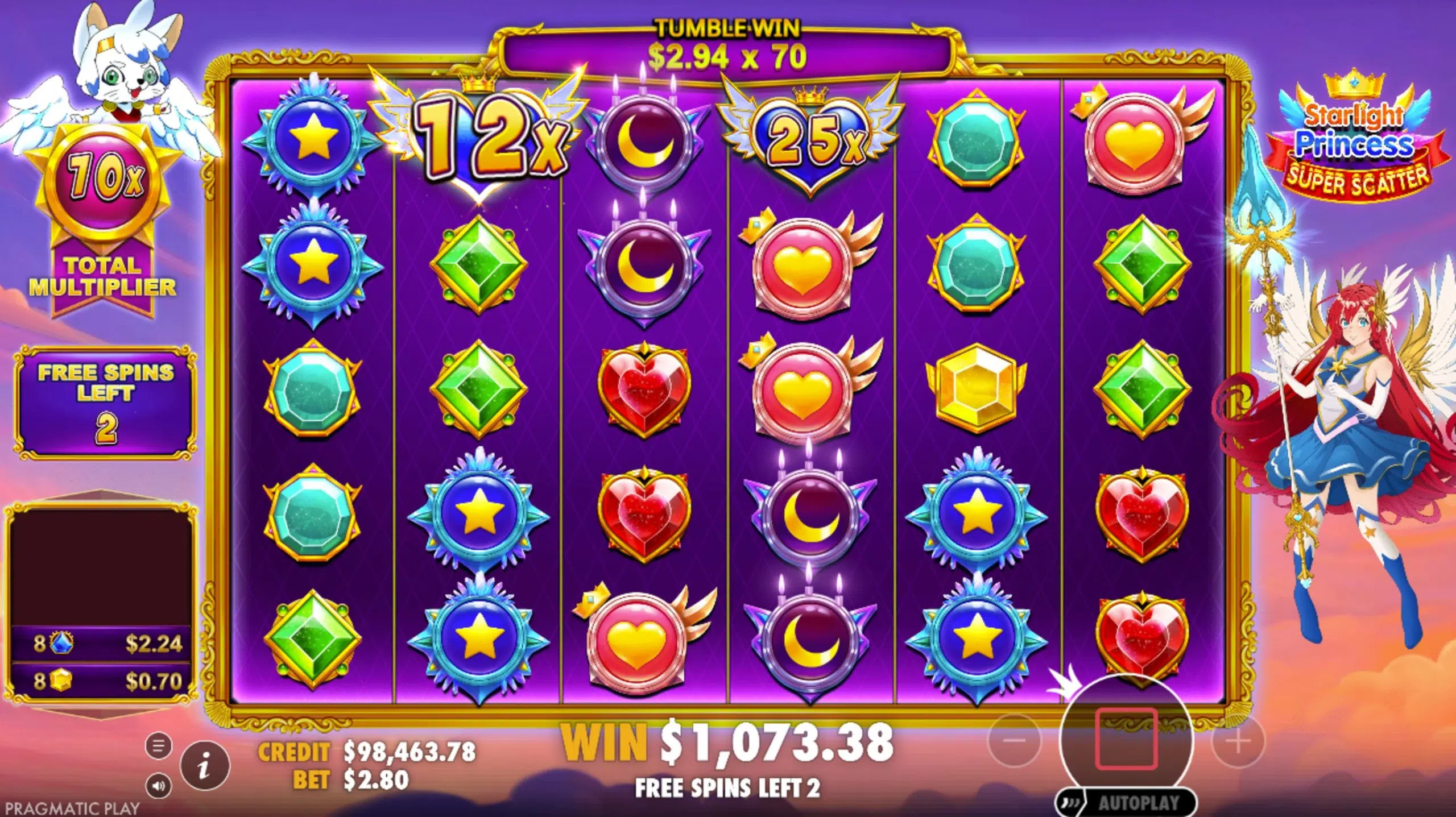
| Starlight Princess Super Scatter | Super Scatter | That version’s game information |
| Gates of Olympus 1000 | 1000 | That version’s game information |
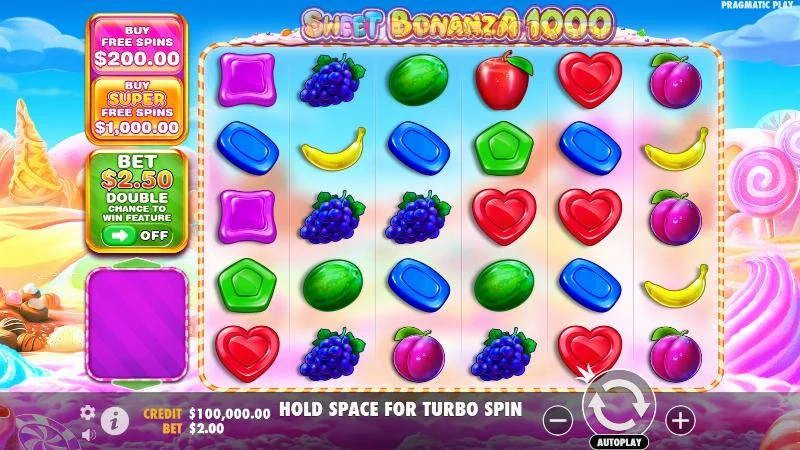
| Sweet Bonanza 1000 | 1000 | That version’s game information |
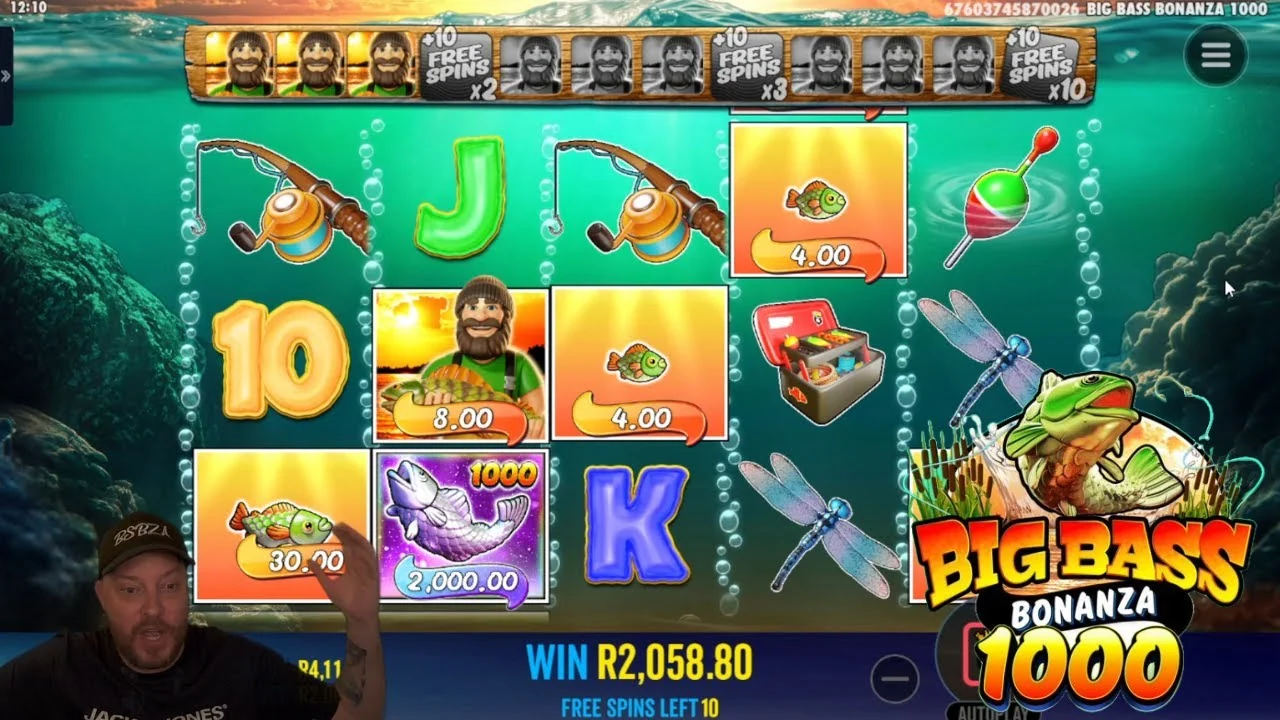
| Big Bass Bonanza 1000 | 1000 | That version’s game information |
Questions worth asking
Is a higher RTP always better?
A higher RTP means a lower theoretical cost over the long run, but it does not predict a single session.
What is a good hit frequency?
There is no single good value; it depends on the design. A high hit frequency with small wins can feel active yet still lose.
Where can I see RTP?
In the game's information or help screen, for the version you are playing.
Original reference images
The illustrations below record the interface and promotional material at the original publication date. They do not confirm current offers or account conditions. Links or QR codes inside these historical images may be outdated; use the regional links on this site for current entry points.


Sources & further reading
- i8 Live
- slot games
- Choosing an Online Slot: Game Types, Paylines, Providers and the Settings That Matter
- Register now
- responsible gambling,
- Five Slot Providers at i8 Live: How to Compare Pragmatic Play, PG Soft, JDB, Nextspin and Booongo
- Ten Pragmatic Play Slots at i8 Live: Themes, Formats and What to Read Before Playing
- Fat Panda Slots Compared: Lucky Tiger's 3x3 Grid and Lucky Mouse's 3-4-3 Layout
- Free Slot Demos: What Practice Mode Can and Cannot Teach You
- Gambling Commission · Return to Player