 EN
Asked to Pay Again to Release a Withdrawal? Preserve the Evidence
Updated
Three things to understand
- Do not pay any further fee to release funds; each payment tends to be followed by another request.
- Preserve messages, receipts, transaction references and the dates and times of everything.
- Contact your bank through a channel you open yourself, and use official reporting channels.
The pattern is familiar: a withdrawal is held, a message explains that a fee, tax or verification payment is needed first, and once that is paid, another reason appears. This is a recognised shape of advance-fee scam. This article explains the pattern, what to keep as evidence and which channels to use. It offers no recovery guarantee and no contact numbers. ACMA describes certain online gambling services as prohibited for Australian customers and warns about offshore operators.
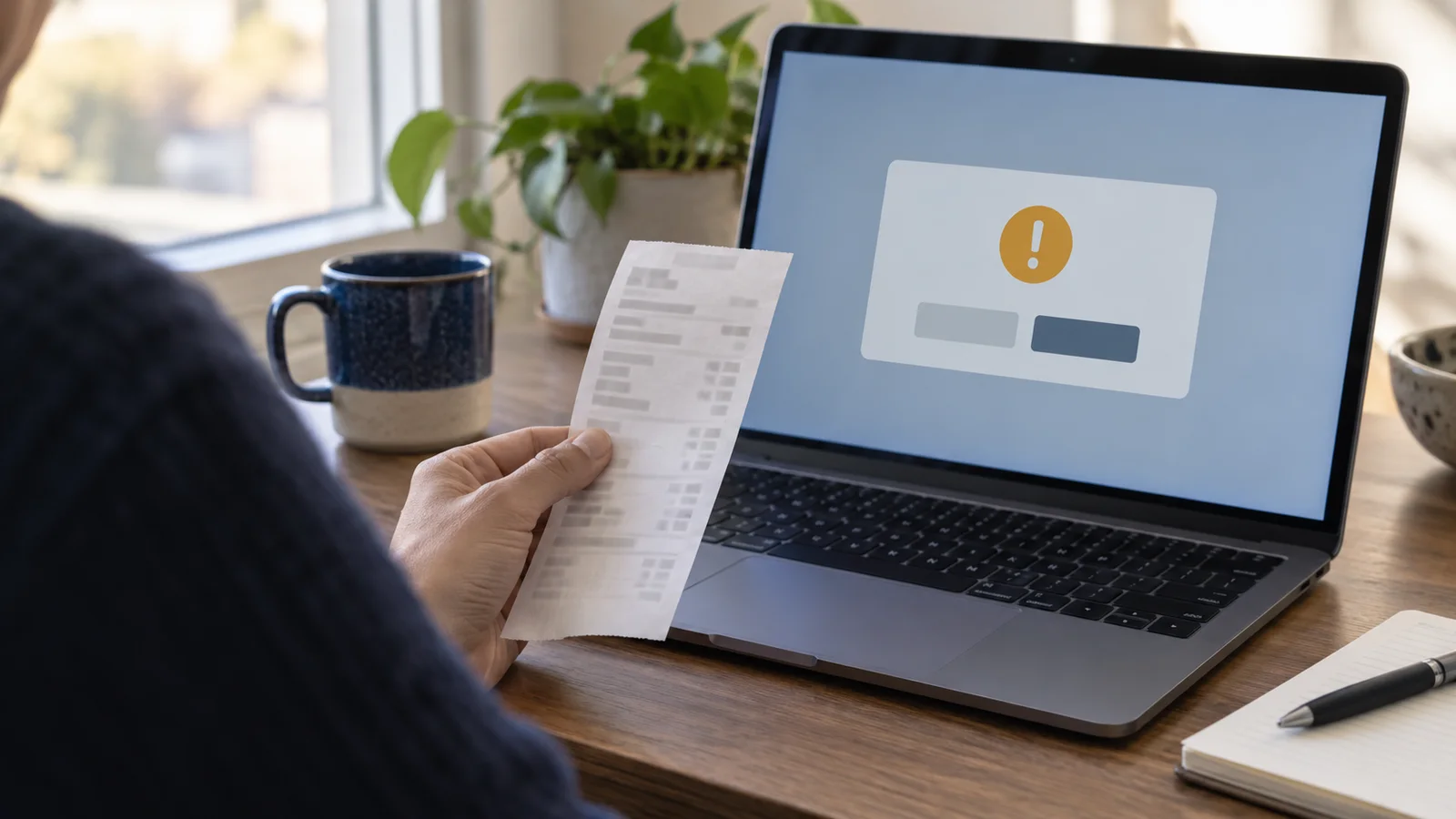
Generated editorial illustration; not a platform screenshot.
No recovery is guaranteed and no contact numbers are given; use channels you open yourself and official reporting channels.
The advance-fee pattern
In an advance-fee scam, the victim is told they must pay a fee before receiving something they are owed. Scamwatch's overview of scam types describes this kind of approach and related phishing and impersonation tactics. The key feature is the sequence: pay first, receive later.
In a withdrawal context the reasons vary: a 'tax', an 'anti-money-laundering deposit', an 'account upgrade', a 'verification fee'. Each sounds plausible and each is a reason to stop.
Why paying again rarely helps
Once someone has paid, the scammer has evidence the person is willing to pay. A new reason follows. Because the balance on screen may show a large amount, the person feels they are close to receiving it, and the sunk cost makes stopping harder.
A legitimate payment from a platform is not typically conditional on the customer sending more money to an unrelated account or a personal wallet. Treat any such condition as a red flag.
What to preserve
Save screenshots of the conversation, including usernames and times. Keep receipts and bank or wallet transaction references. Note the amounts, dates and the account the payments went to. Save the account's balance screen with the date visible.
Do not delete the chat. Do not edit the screenshots. Keep originals in a folder and make copies for anyone who helps you, and never include passwords or one-time codes.
Contact your bank through a channel you open yourself
Use the app or a number you already trust, such as the one printed on your card, to tell your bank what happened. Ask whether any payment can be stopped or recalled and what it needs from you. Do not use a number from a message.
No recovery is guaranteed. The sooner the bank is told, the more options it may have, but outcomes vary and nothing in this article promises a refund.
Reporting
Scamwatch is a government consumer-protection source that describes scam types and is a sensible starting point for understanding and reporting what happened. Other official channels exist, and a bank can advise on them.
Report even if the amount is small. Reports help authorities spot patterns, and they create a record if you need to dispute something later.
Context: offshore operators and a hard position
ACMA warns about risks with offshore gambling operators and describes certain online gambling services as prohibited for Australian customers. A person in this situation may feel embarrassed or unsure whether to report. That feeling is common and is something scammers rely on.
Reporting what happened to your bank and to official scam channels is a reasonable step regardless of how you came to be in the situation. If you are distressed, speak to someone you trust or a local support service.
Questions readers ask
Is it normal to have to pay a fee to withdraw my own money?
A request to pay an unrelated account before funds are released is a recognised advance-fee scam pattern. Treat it as a red flag and stop paying.
What evidence should I keep?
Messages, receipts, transaction references, account details of where you paid, and the dates and times, without passwords or codes.
Can my bank get the money back?
Not guaranteed. Tell it quickly through a channel you open yourself, and ask what it can do.
Where can I read about scam types?
Scamwatch publishes an overview of scam types and is a sensible starting point for understanding and reporting.
Sources and further reading
- i8 Live homepage (site descriptions only)
- ACMA: Protect yourself from illegal gambling operators
- Scamwatch: Types of scams