 EN
Live Baccarat Explained: Card Values, Banker and Player Bets and Table Variants
Updated

Three things to understand
- Player and Banker are names for hands, not for who you are.
- Drawing a third card is decided by fixed rules, not by the bettor.
- Tie bets usually pay more but are won far less often.
Baccarat looks mysterious but follows fixed rules, which means the real choices are about the bet, not the cards. This guide explains hand scoring, the difference between Player, Banker and Tie, how commission works, and why a roadmap is a record rather than a forecast.
How is a baccarat hand scored?
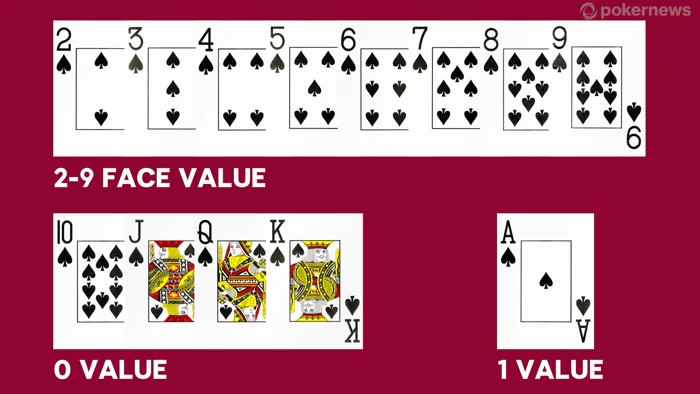
Tens and picture cards count as zero, aces as one and other cards at face value. The total is the last digit of the sum, so 7 plus 8 is 15, scored as 5. The highest score is 9.
A first two-card total of 8 or 9 is a natural and normally ends the round. Otherwise, fixed drawing rules decide whether a third card is dealt.
What are Player, Banker and Tie bets?
Player and Banker are two hands that compete, and you may back either. Backing Banker does not mean you play for the house. A Tie bet wins when both hands finish with the same total.
Ties occur only in a small share of rounds, so they pay more per win but are won less frequently. Over a long period, they usually carry the highest house edge among the main bets.
How does commission work?
A common table charges a commission, often 5%, on winning Banker bets because Banker wins slightly more often. A no-commission table removes that charge but may reduce the payout in certain circumstances, such as when Banker wins with a particular total.
Read the displayed rule on your table. A no-commission label does not mean there is no cost, because the cost has moved elsewhere.
What are speed, squeeze and other variants?
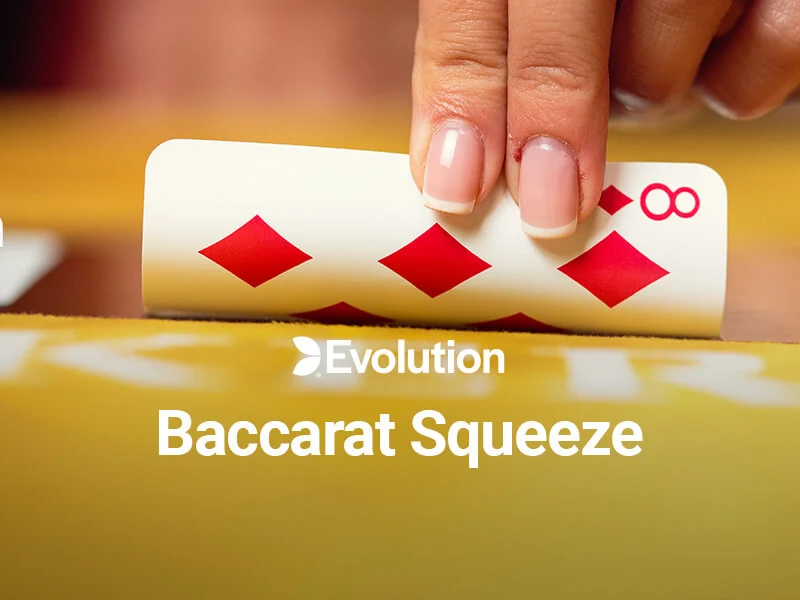
Speed tables shorten the betting window, squeeze tables reveal cards gradually for drama, and progressive or side-bet versions add extra wagers. The pace or camera treatment changes the experience, while a changed payout changes the wager itself.
Look at each table's help panel to check which bets and payouts are on offer.
Which interface controls matter?
Locate the table limits, the countdown timer and the chip selector. Check whether the repeat or rebet control will reuse previous selections, since mistakes here can double an unintended stake.
The screenshots on this page show how the interface looked at a point in time. Your account screen is the reference for access and limits.
Why are roadmaps not predictions?
A roadmap displays previous hands in patterns. It describes what has already happened and cannot change the next hand, since cards are dealt from a shuffled shoe.
A streak of Banker results does not make Player due. Set your session limits in advance and use the live casino page to navigate.
A scoring example
Suppose Player holds a 6 and a 7, totalling 13, scored as 3, and Banker holds a 9 and a 4, also 13 and scored as 3. A third card may be drawn for each side under the fixed rules, and the final totals decide the round.
If both finish on 5, the round is a tie: Player and Banker bets are normally returned, while Tie bets win. Walking through hands like this is the best way to understand the scoring.
Questions worth asking
Which bet is best in baccarat?
Banker and Player have the lowest house edges among the main bets, and Tie has the highest. None guarantees a result.
Can I decide to draw a third card?
No. Drawing is determined by fixed rules.
Are baccarat patterns reliable?
No. Roadmaps are a record, and past hands do not influence later ones.
Original reference images
The illustrations below record the interface and promotional material at the original publication date. They do not confirm current offers or account conditions. Links or QR codes inside these historical images may be outdated; use the regional links on this site for current entry points.