 EN
Live Roulette Explained: Wheel Types, Bet Coverage and Why Staking Systems Fail
Updated

Three things to understand
- A single-zero wheel has 37 pockets and a double-zero wheel has 38, which changes the house edge.
- Inside and outside bets trade coverage for payout.
- Doubling systems raise the amount at risk rapidly and do not change the odds.
Roulette is simple to describe and easy to misunderstand. This guide explains the difference between European, American and French wheels, what each kind of bet covers, why a staking progression cannot beat the wheel, and what to check at a live table.
How do the wheel types differ?
A European wheel has 37 pockets, numbers 1 to 36 and a single zero, giving a house edge of about 2.7% on most bets. An American wheel adds a double zero for 38 pockets and a house edge of about 5.26%.
French rules may return half of an even-money stake when zero comes up. Check the table rather than inferring rules from its look.
What do inside bets cover?
A straight-up bet covers one number and pays 35 to 1 on a standard wheel. A split covers two adjacent numbers, a street three, a corner four and a line six, with payouts that fall as coverage rises.
The position of the chip decides which numbers are covered. Check the payout display before confirming.
What do outside bets cover?
Red or black, odd or even and high or low cover 18 numbers each, while dozens and columns cover 12. They pay less than inside bets because they win more often.
Zero is neither red nor black, odd nor even, so these bets lose when it appears (subject to any special rule at the table).
How does a multiplier version differ?
Lightning Roulette and similar enhanced games change payout arrangements, so a standard payout table does not apply. Read the base-game and feature rules before using a multiplier version.
A branded roulette variant may differ in payouts, zero handling and side features.
Why can't a staking system beat the wheel?
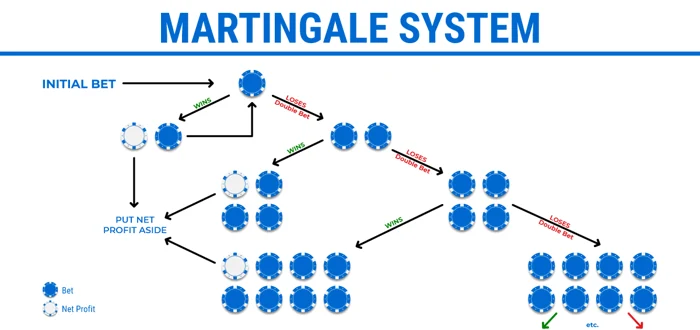
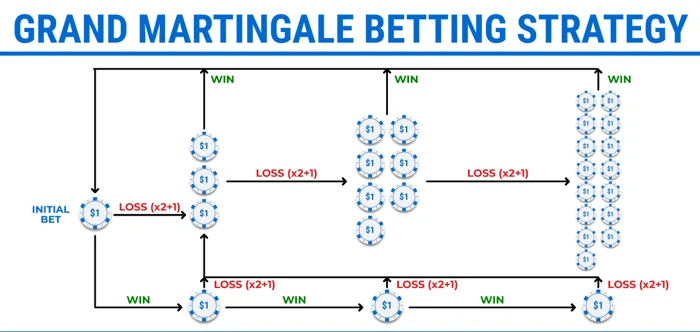
Martingale doubles the stake after each loss. Starting at 1 unit, ten losses in a row means you have staked 1, 2, 4, up to 512, a total of 1,023 units, to win a single unit. On a European wheel an even-money bet loses with probability 19/37, so losing every round in a specified ten-round sequence has a probability of about 0.13%, but when they do the loss is very large.
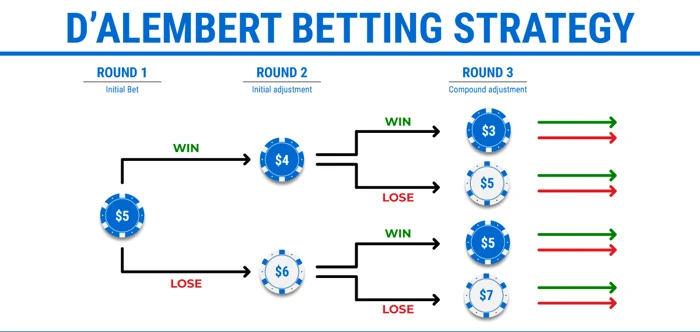
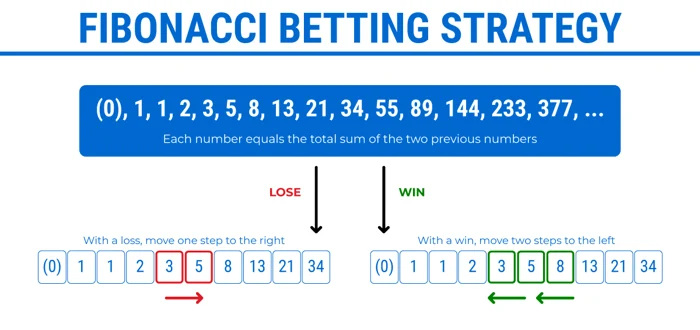
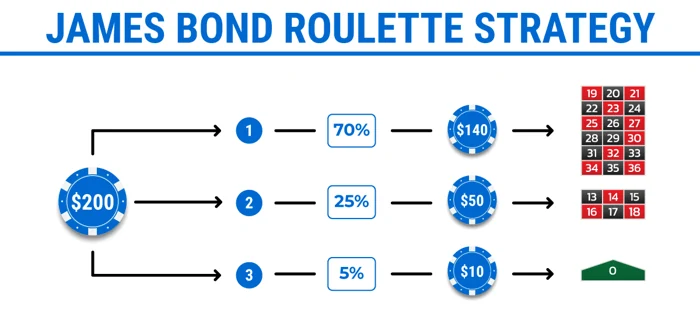
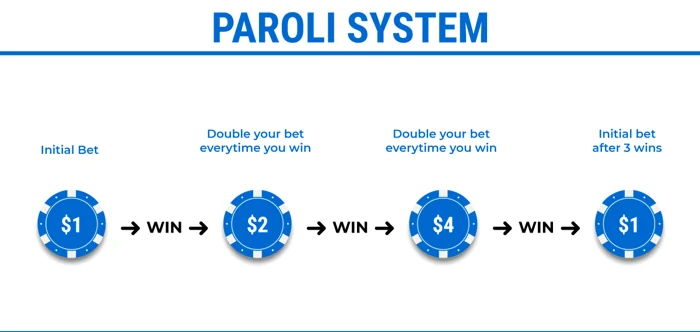
Fibonacci, D'Alembert and Paroli change the sequence of stakes, not the odds. They do not remove the house edge, and a run of one colour does not make the other colour due.
What should you do on a live table?
Check the provider, table name, limits and countdown. Locate undo, clear and repeat before placing a chip so you can correct a mistake.
Keep a fixed limit and stop when you reach it instead of escalating after a loss.
Comparing house edges
On a European wheel, a 1-unit straight-up bet wins 35 with a probability of 1 in 37. The expected return is 36/37, about 97.3%, a 2.7% edge for the house. On an American wheel, the same payout with 38 pockets gives 36/38, about 94.7%.
That 2.6 percentage point difference is why the wheel type is the first thing to check. These calculations use conventional straight-up payouts. Different bets and rules can have different edges: for example, special zero rules can change the return on even-money bets. Read the selected wheel’s payout table rather than assuming every bet shares one percentage.
Questions worth asking
What is the best roulette wheel to play?
A single-zero wheel has the lower house edge than a double-zero wheel, all else equal.
Does the colour of the last spins affect the next?
No. Each spin is independent.
Is Martingale a safe system?
No. It looks safe until a long losing run requires a stake larger than the table limit or your balance.
Original reference images
The illustrations below record the interface and promotional material at the original publication date. They do not confirm current offers or account conditions. Links or QR codes inside these historical images may be outdated; use the regional links on this site for current entry points.